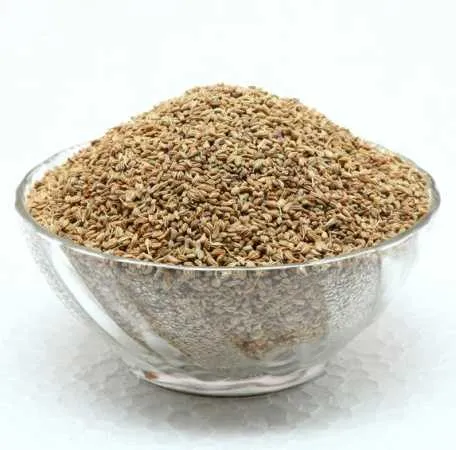
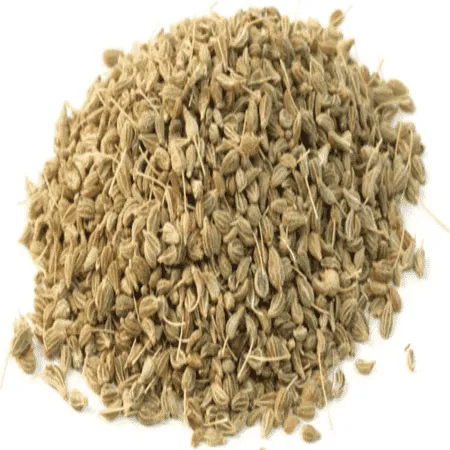
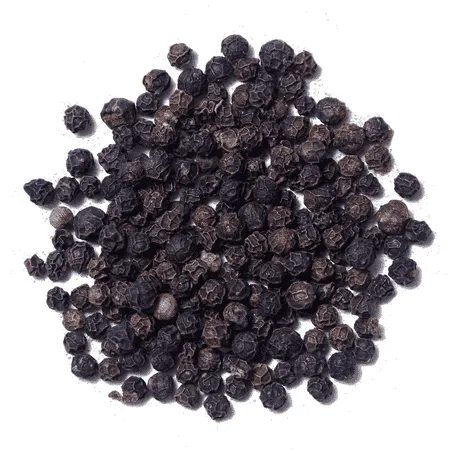
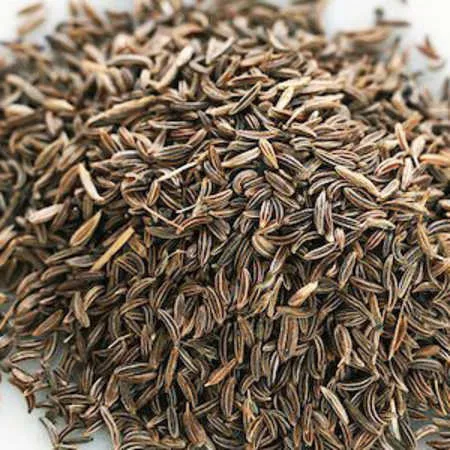
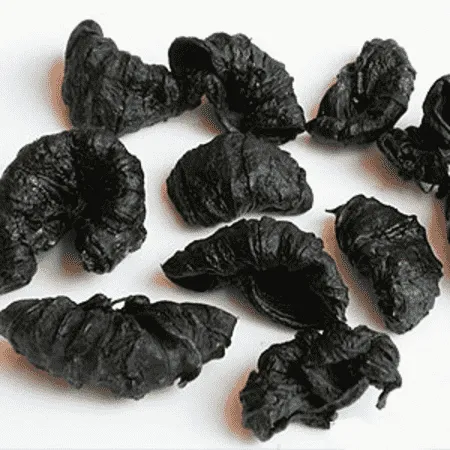
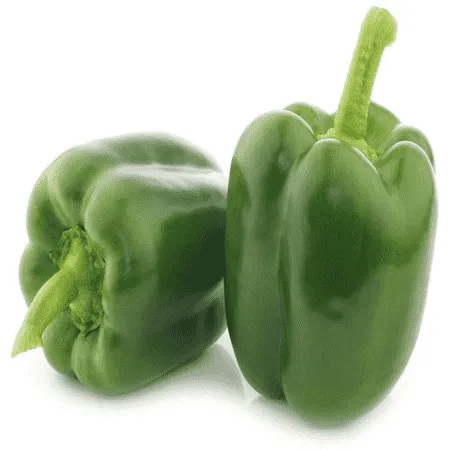
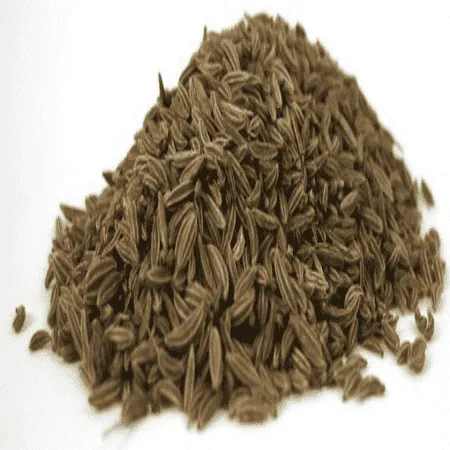
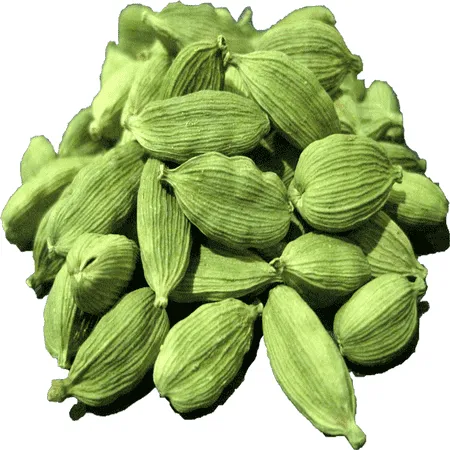
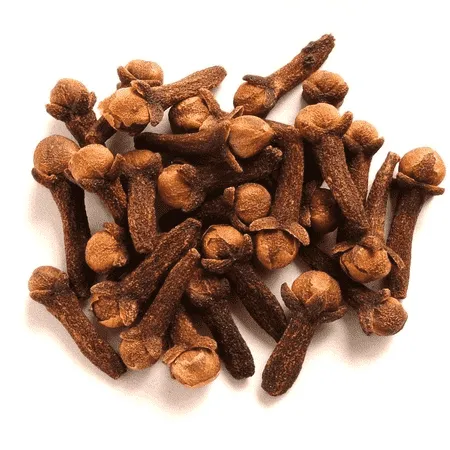
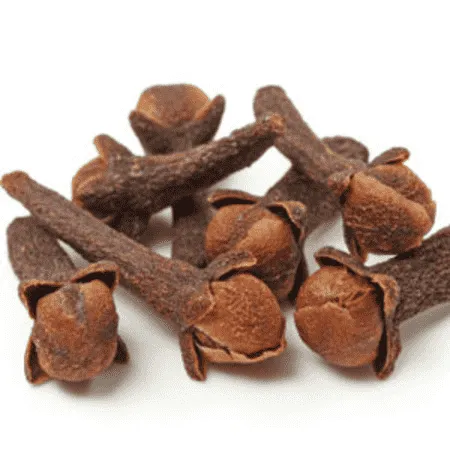
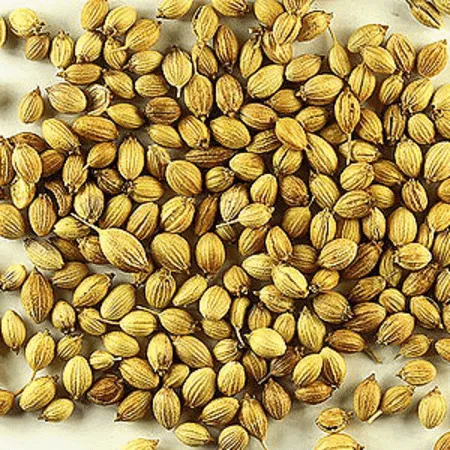
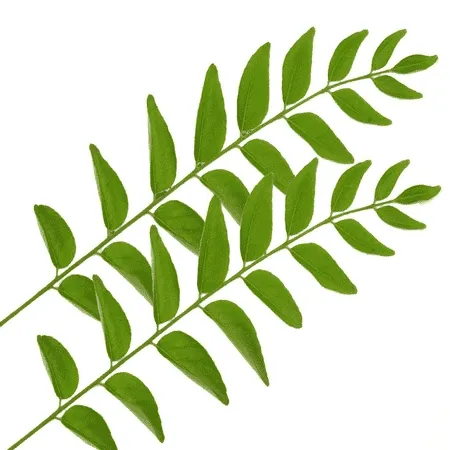
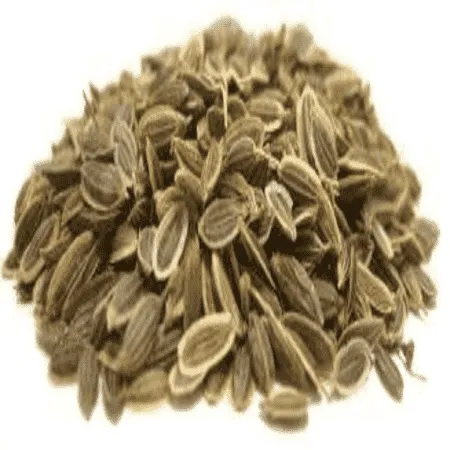
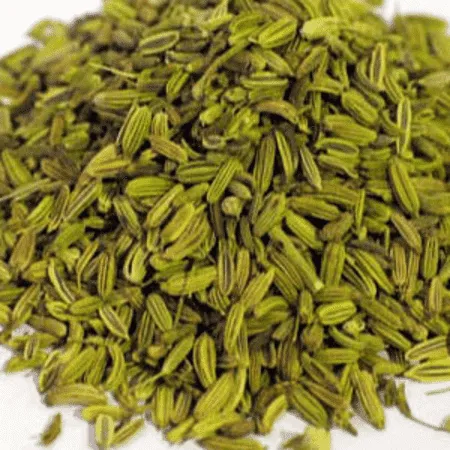
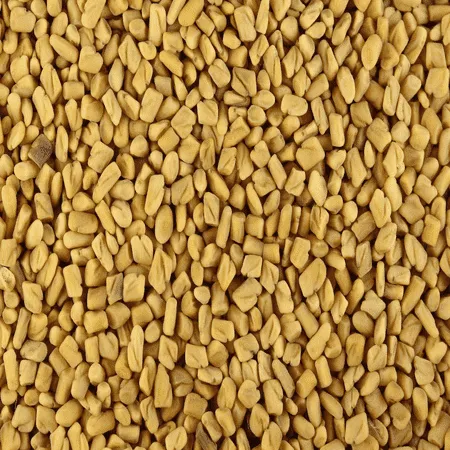
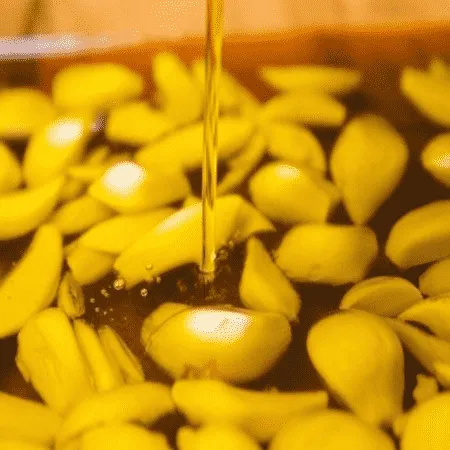
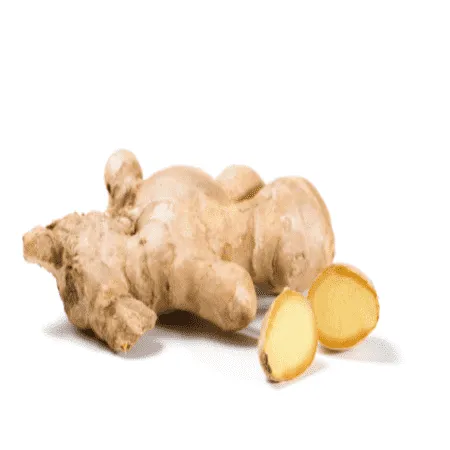
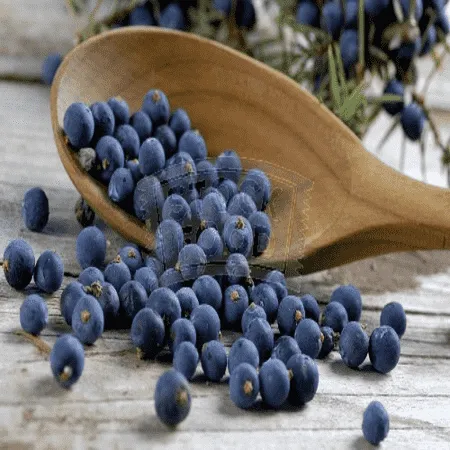
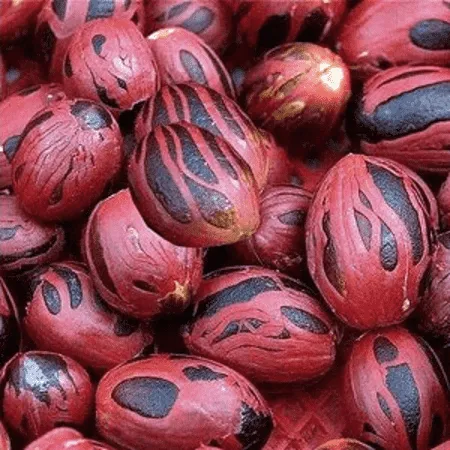
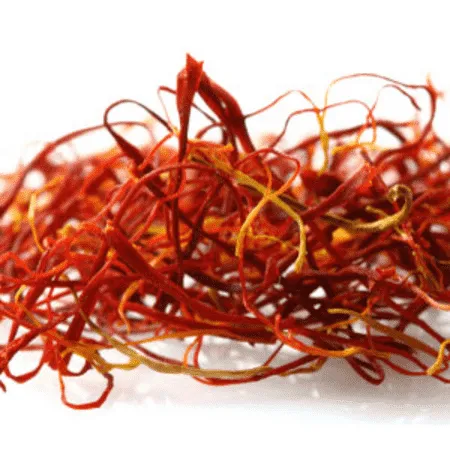
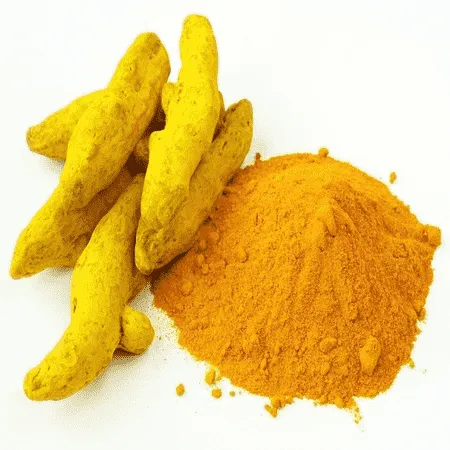
Spice oil is enriched with the goodness of powdered dried spices as they are derived with the natural extraction process and used for skin care & food flavoring purposes. The rich texture & delightful aroma of natural spice oil together stimulate senses along with exotic flavor. The high concentration of natural spices drives aromatic aura & pleasing touch to your taste buds.
Spice Oils & Oleoresins — Manufacturer & Exporter, India
Kush Aroma Exports manufactures and exports spice oils and oleoresins from India — concentrated, standardised flavour ingredients that give food manufacturers the taste of the whole spice without the variability, bulk and microbial risk of the raw material.
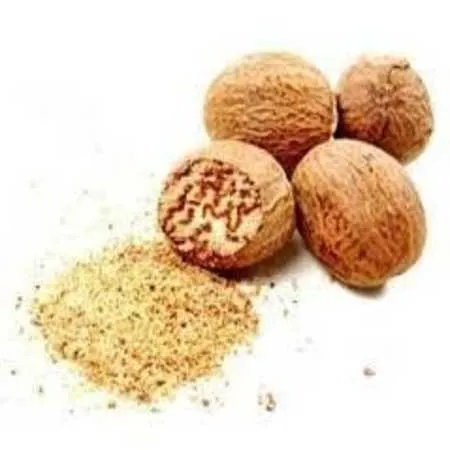
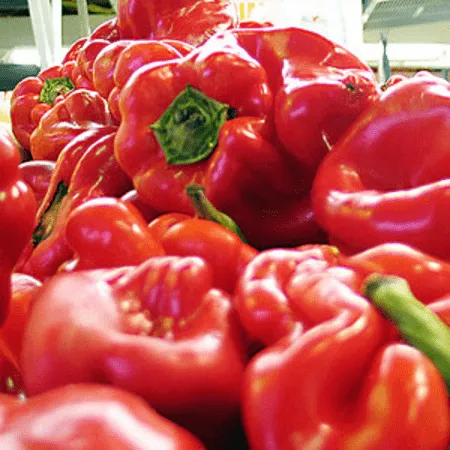
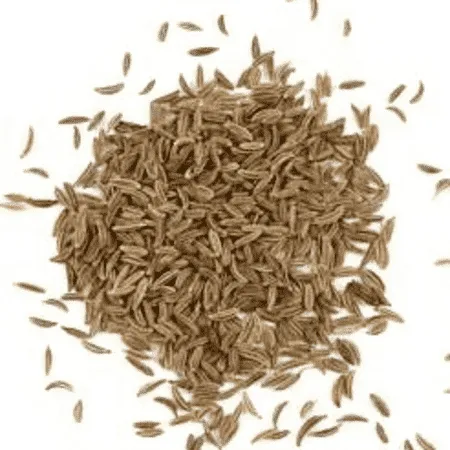
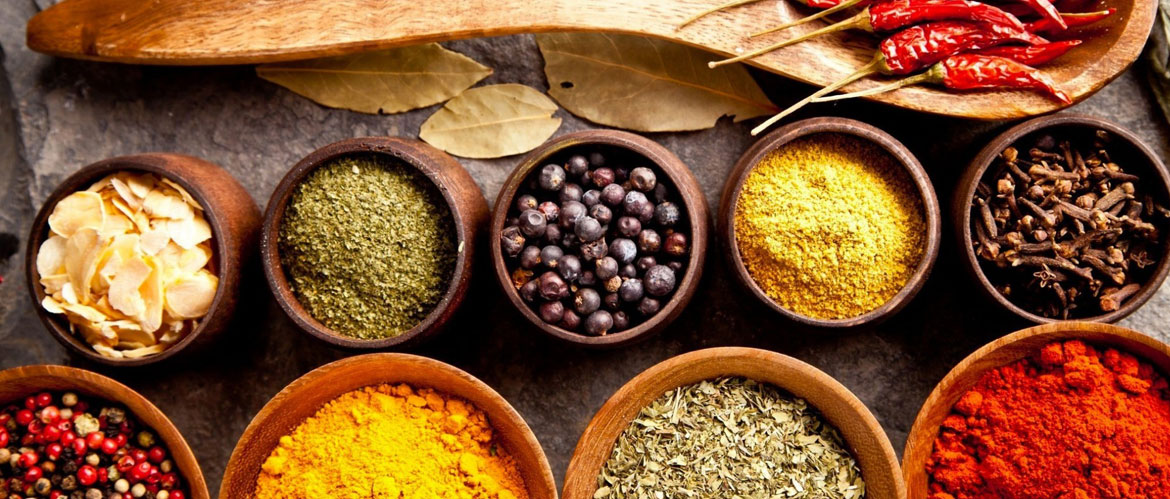
The range covers the Indian spice portfolio: Black Pepper, Cardamom, Ginger, Turmeric, Cumin, Coriander, Clove, Cinnamon, Cassia, Nutmeg, Mace, Celery, Fennel, Capsicum and Paprika — available as distilled spice oils, as oleoresins, or standardised to a specified active content.
Oils & oleoresinsStandardised to activeFood grade specificationSample to drum
Concentrated · Standardised · Food Grade
Spice Oil, Oleoresin or Ground Spice?
These three are not interchangeable, and choosing the wrong one is the most common mistake we see from new buyers. Ground spice gives you everything the plant contains. A distilled spice oil gives you the aroma. An oleoresin gives you the aroma and the non-volatile taste compounds — the pungency, the colour, the body.
Ground spiceEverything, including fibre and moisture. Varies with every lot. Significant microbial risk, usually needs treatment. Bulky to store and ship.
OleoresinVolatiles plus non-volatile actives, colour and pungency. Standardised to a stated active. Very low microbial risk, compact.
The black pepper testGround pepper gives aroma, heat, colour and bulk. Pepper oil gives aroma only — no heat, because piperine is not volatile. Only the oleoresin gives aroma and heat together.
That last row is the clearest illustration. If you use pepper oil expecting heat, your product will smell of pepper and taste of nothing. Piperine is non-volatile, so it never comes across in distillation — it only reaches you in the oleoresin. Same spice, entirely different ingredient.
Standardisation
Oleoresins are normally bought to a specified active content rather than to a name, which is what makes them reliable on a production line. Typical markers by spice: piperine for black pepper, capsaicin and colour value for capsicum and paprika, curcumin for turmeric, volatile oil content for cardamom and ginger.
Two oleoresins with the same label and different assay values are different ingredients and will not perform the same. Always specify the assay on the purchase order, and check it on the COA before the batch goes into production.
Dispersion, Solubility and Dosing
Concentrated spice ingredients present a practical problem: you are dosing grams into tonnes, and they will not disperse evenly on their own. Most oleoresins are viscous and oil-soluble, so they need one of the following.
Dilution In a suitable carrier oil to bring the dose up to a manageable volume.
Plating Onto a dry base such as salt or dextrose, for dry seasoning blends.
Emulsification For aqueous systems such as beverages and sauces.
Encapsulation Where you want controlled release and better shelf stability.
Tell us the system you are dosing into — dry blend, beverage, retorted sauce, meat — and we can advise on the format that will actually work in it rather than shipping neat material you then have to solve for.
Applications
Seasonings & snacks Plated oleoresins deliver consistent heat and colour across every unit, which raw ground spice cannot do at scale.
Meat, ready meals & sauces Removes the microbial risk that comes with raw spice while giving a flavour profile that survives thermal processing.
Beverages Ginger, cardamom and citrus notes in soft drinks, mixers and functional beverages, usually as emulsions.
Nutraceutical & colour Curcumin and capsaicin-standardised extracts, plus paprika oleoresin as a natural colourant. See also CO2 extracts.
Switching From Ground Spice
Spice Oil & Oleoresin Sourcing Guide
How much oleoresin replaces a kilo of ground spice?
It depends entirely on the spice and on the assay of the batch, so it is a calculation to run against your specific material rather than a fixed ratio. Send us the ground spice you currently use and the dosage, and we will work the equivalence from the actual assay values — then confirm it on a bench trial before committing a production run.
Are your spice oils food grade?
Specify food application at enquiry stage and the material and documentation are issued against food-grade specification. Do not assume it across the catalogue — some spice oils in the range are supplied for fragrance and industrial use where the specification differs.
What about pesticide residues and heavy metals?
Relevant for any agricultural input going into food, and testable against your required panel. State the destination market at enquiry, because EU, US and Japanese limits differ.
Can you standardise to our own assay specification?
Within the range the raw material supports, yes — that is normal practice in this category. Send your specification and we will confirm what is achievable rather than promising a number and missing it.
How stable are oleoresins in storage?
More stable than ground spice by a wide margin, since moisture and fibre are gone. Store cool, dark and sealed. Colour-bearing oleoresins such as paprika and turmeric are the exception — colour value degrades with light and heat exposure, so protect those specifically.
Do you supply CO2-extracted spice materials as an alternative?
Yes. Where a clean-label claim rules out solvent extraction, CO2 extraction gives you a comparable material with no solvent residue at a higher price point. See the CO2 extracts catalogue.
Browse the Range
Popular Spice Oils
The Indian spice portfolio, available as distilled oils or as standardised oleoresins.
Eleven catalogues covering every extraction route we operate. If you are not sure which grade fits your application, describe the finished product and we will point you at the right one.
Tell us the spice, the assay you need, the food system you are dosing into and your annual volume. We will send the specification, a sample and an equivalence calculation against your current ground spice.